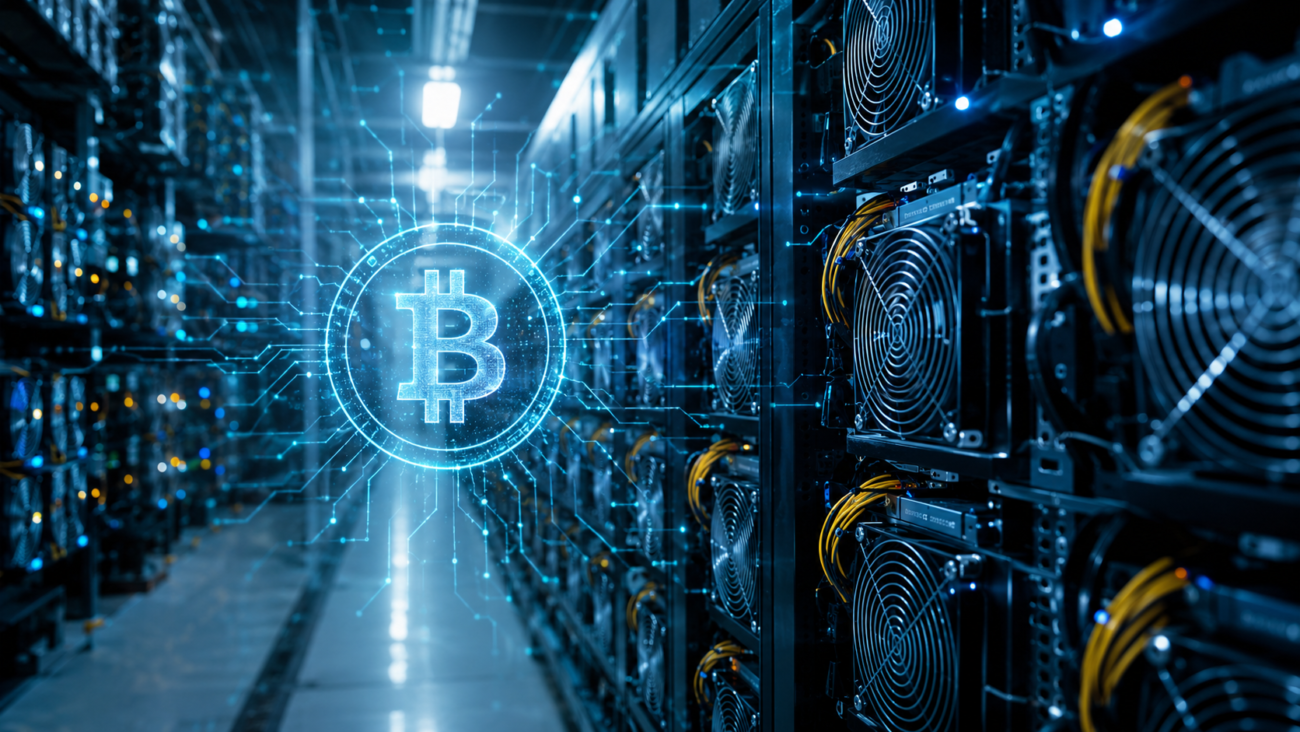
Understanding Crypto Mining
Have you ever wondered where new digital coins come from? Unlike traditional fiat currency that is printed by central banks, digital currencies rely on a global, decentralized network of computers. If you are looking to understand the full picture of Mining & earning: how crypto mining works and how miners get paid, you are in the exact right place.
This comprehensive guide takes you deep into the digital trenches of crypto mining. We will break down the complex technology, the hardware required, and most importantly, the economics of how participants turn computing power into profit.
The Basics: What is Crypto Mining and Why Does It Matter?
Let’s start from the very beginning. A common question among newcomers to the digital asset space is, “why is crypto mining even necessary?” At its absolute core, mining is the essential process that validates, records, and finalizes new transactions on a blockchain network. Without it, the network would collapse into double-spending and chaos.
To truly understand this, we need the Proof of Work consensus mechanism explained. Under a Proof of Work (PoW) model, computers on the network compete against one another to solve highly complex cryptographic math puzzles. The first computer to solve the puzzle earns the right to bundle the latest batch of transactions (known as a “block”) and add it to the blockchain.
This intensely competitive process is precisely how miners secure the decentralized ledger against hackers. By making it computationally expensive to alter the blockchain’s history, the network remains trustworthy. Bitcoin mining is the original, most secure, and most famous example of this system in action.

The Engine Room: Hardware and Hash Rates
You cannot mine efficiently with a standard laptop anymore. To solve these cryptographic puzzles, you need serious, dedicated computing power. But how is that power measured? Understanding what is hash rate in blockchain mining is vital. Simply put, hash rate is the speed at which a computer can guess the solution to the blockchain’s puzzle. A higher hash rate means more guesses per second, which translates to a higher statistical chance of winning the block.
To achieve top-tier hash rates, miners use specialized equipment. The difference between ASICs and GPU mining rigs comes down to a choice between raw efficiency and flexibility:
- ASICs (Application-Specific Integrated Circuits): These machines are built to do exactly one thing—like mine Bitcoin—at blindingly fast speeds. They are powerful but cannot be repurposed.
- GPU Mining Rigs (Graphics Processing Units): These use high-end graphics cards. While not powerful enough for Bitcoin, they offer the flexibility to mine a wide variety of alternate cryptocurrencies (altcoins).
Running these powerful machines 24/7 generates an immense amount of heat. Because of this, proper crypto mining hardware maintenance and cooling solutions—such as immersion cooling tanks, specialized thermal paste, or high-velocity airflow setups—are absolutely critical. Without them, your expensive equipment will quickly degrade or burn out.
Show Me the Money: How Miners Get Paid
Let’s talk about the bottom line. When a miner successfully adds a new block to the chain, they are compensated through a combination of block rewards vs transaction fees for miners. The block reward consists of newly minted cryptocurrency released by the network protocol, while transaction fees are small premiums paid by everyday users to have their transfers processed quickly.
However, competing globally against massive corporate server farms means a solo miner has a near-zero chance of consistently winning a block. This is why individuals pool their computing power together.
But how crypto mining pools distribute rewards can vary wildly from pool to pool. If you join one, you need to understand the nuances of pay-per-share vs PPLNS reward systems:
- Pay-Per-Share (PPS): You receive a guaranteed payout for every valid “share” of computing power you contribute, regardless of whether the pool actually finds a block. This offers stable, predictable income.
- Pay Per Last N Shares (PPLNS): You only get paid when the pool successfully mines a block. Payouts fluctuate more but can be slightly more profitable in the long run since pool fees are generally lower.

Solo Setup or Renting Power: Choosing Your Strategy
If you are setting up a home mining operation for beginners, be prepared for a steep learning curve. You will need a significant upfront capital investment for hardware, upgraded electrical wiring, and proper ventilation. While you retain full ownership and control, you also bear all the risks, noise, and maintenance duties.
Alternatively, there is cloud mining, which allows you to rent computing power from a remote, professionally managed data center. When debating cloud mining services vs self-hosting hardware, remember that cloud contracts offer a completely hands-off, beginner-friendly entry point. However, self-hosting generally offers better long-term profitability, as you aren’t paying a middleman’s premium for maintenance and electricity.
Profitability, Planet, and Taxes: The Business Side
Mining is a highly dynamic business. As a result, calculating cryptocurrency mining profitability and costs is an ongoing, daily task. You must factor in hardware depreciation, local electricity rates, pool fees, and constant network changes.
Crucially, you must monitor the difficulty adjustment in cryptocurrency networks. As more miners plug their machines into the network, the blockchain’s code automatically increases the difficulty of the cryptographic puzzle to keep block production times consistent (e.g., one block every 10 minutes for Bitcoin). What is highly profitable today might barely break even next month if the difficulty spikes.

Electricity is your biggest recurring expense, and it brings a broader issue into focus. The sheer energy consumption of bitcoin mining farms has sparked heated global debates regarding the environmental impact of large scale crypto mining. To remain socially and economically sustainable, many modern mining facilities are actively transitioning to renewable energy sources like hydro or solar. Some innovative operations are even utilizing stranded natural gas at oil wells, or capturing excess mining heat to warm greenhouses and residential homes.
Finally, do not forget the financial authorities. The tax implications of earning cryptocurrency from mining can be surprisingly complex. In many major jurisdictions, mined cryptocurrency is treated as ordinary income based on the fair market value of the coin on the exact day it was deposited into your wallet. If you hold that coin and later sell it at a higher price, you may also owe capital gains tax on the difference. Keeping meticulous records and consulting a certified tax professional is highly recommended to ensure your operation remains strictly compliant.
